If you’re thinking about buying a home or refinancing, understanding 30 year fixed mortgage rates is crucial for your financial future. These rates can affect how much you’ll pay each month and the total cost over the life of your loan.
You want a clear picture of what’s happening in the market right now, so you can make smart decisions and avoid surprises. You’ll discover what drives these rates, how they impact your budget, and tips to secure the best deal possible.
Keep reading to take control of your mortgage journey and protect your investment.

Current 30 Year Fixed Rates
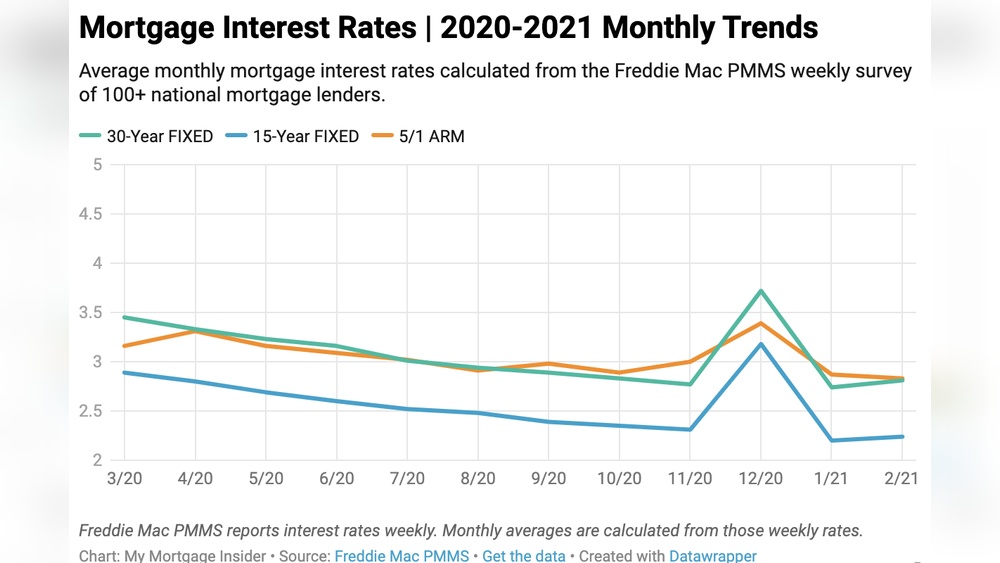
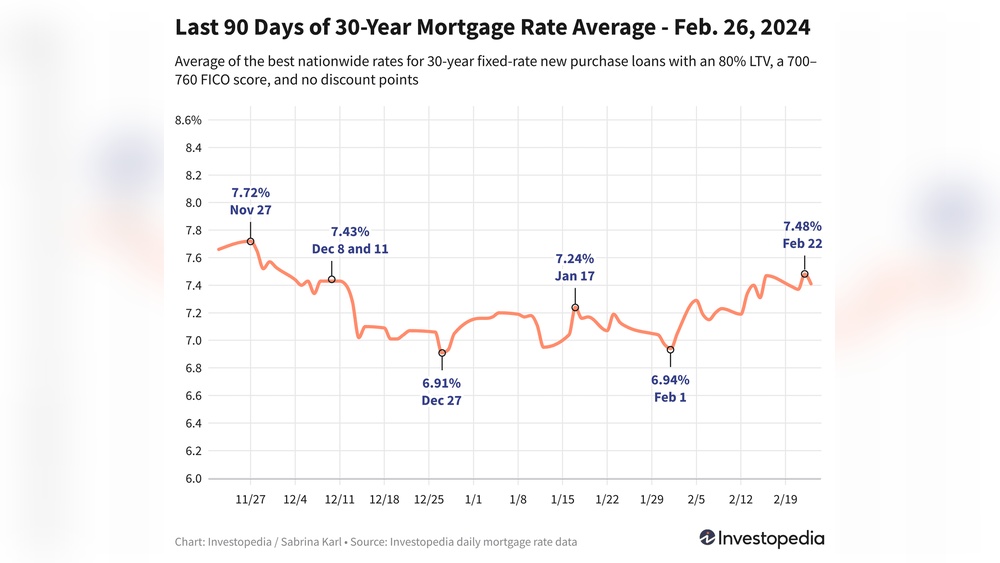
The latest 30 year fixed mortgage rates tend to change weekly. Rates now hover around 5.5% to 6% in many parts of the US. This is slightly higher than last year but still reasonable for long-term loans.
Regional variations matter. States like California or New York often have rates a bit above the national average. Meanwhile, some Midwest states enjoy slightly lower rates. Local housing demand and lender competition cause these differences.
| Region | Average Rate (%) |
|---|---|
| West Coast | 5.8 |
| Midwest | 5.4 |
| South | 5.6 |
| Northeast | 5.7 |
Economic indicators like inflation and Federal Reserve decisions strongly affect rates. Rising inflation usually pushes rates up. Fed rate hikes often lead lenders to increase mortgage rates. Watching these signs helps predict future trends.
Factors Influencing Rates
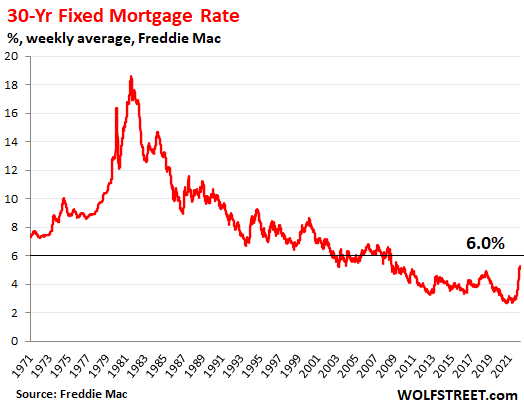
Federal Reserve policies directly affect 30 year fixed mortgage rates. When the Fed raises interest rates, mortgage rates usually rise too. This happens because borrowing costs become more expensive for banks. Lower Fed rates often lead to lower mortgage rates, making loans cheaper for buyers.
Inflation and employment data play key roles. Higher inflation pushes rates up as lenders want more return. Strong employment means more people can afford homes, which can increase demand and rates. Weak jobs data may lower rates to encourage borrowing.
Housing market conditions like supply and demand influence mortgage rates. If many people want homes but few are for sale, rates may rise. More homes on market and less demand can lower rates. Builders’ activity and home price trends also affect rates.
Comparing Loan Options
Fixed-rate loans keep the same interest rate for 30 years. This means monthly payments stay steady. It helps with budgeting and planning. But the interest rate is usually higher than adjustable rates.
Adjustable-rate mortgages (ARMs) start with a low rate. After a few years, the rate can change. Monthly payments may go up or down. This option can save money if rates stay low, but it carries risk.
| Loan Type | Pros | Cons |
|---|---|---|
| 30-Year Fixed | Stable payments, easy to budget, long-term security | Higher initial interest rates |
| Adjustable Rate | Lower initial rates, potential savings if rates stay low | Rate changes can increase payments, less predictable |
Other mortgage types include 15-year fixed, which has higher payments but less interest paid over time. FHA loans help buyers with lower credit scores. VA loans offer benefits to veterans. Each type fits different needs and budgets.
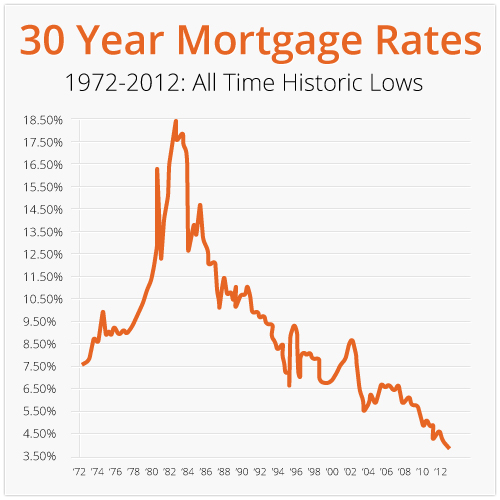
How Rates Affect Affordability
Monthly payments depend on the loan amount, interest rate, and loan term. A small increase in the interest rate can raise payments significantly. For example, a 1% higher rate can add hundreds of dollars each month.
The total interest paid over 30 years can be very high. Paying attention to the rate can save thousands of dollars in the long run. Lower rates mean less interest and more affordable loans.
| Interest Rate | Monthly Payment (per $100,000) | Total Interest Over 30 Years |
|---|---|---|
| 3.0% | $421 | $51,000 |
| 4.0% | $477 | $71,000 |
| 5.0% | $537 | $93,000 |
Budgeting for possible rate changes is smart. Even fixed rates can affect future borrowing. Planning ahead helps keep finances stable and avoids surprises.
Qualifying For A 30 Year Mortgage
Credit score plays a big role in qualifying for a 30 year mortgage. Most lenders want a score of at least 620. Higher scores get better interest rates. Scores below this may need extra help or a larger down payment.
Income and employment must be verified. Lenders check pay stubs, tax returns, and bank statements. Stable jobs and steady income improve chances. Self-employed borrowers provide additional documents like profit and loss statements.
Borrowers with disabilities might have special options. Some programs offer flexible credit rules or lower down payments. Proof of disability and income is needed. Talking to lenders who understand these needs helps a lot.
Strategies To Secure Better Rates
Improving credit health can lower mortgage rates. Pay bills on time and reduce debts. Check your credit report for errors and fix them. A higher credit score shows lenders you are less risky.
Choosing the right lender helps secure better rates. Shop around and compare offers from banks, credit unions, and online lenders. Ask about fees and loan terms to find the best deal for you.
Timing your application is important. Rates change daily based on the market. Apply when rates are low, often during slow housing seasons. Lock your rate quickly to avoid increases before closing.
Future Rate Outlook
Experts predict mortgage rates may rise slowly over the next year. The economy’s health and inflation play key roles in this trend. Rates might stay high if inflation remains strong.
Some analysts expect market shifts due to changes in government policies or global events. These shifts can cause rates to jump or drop suddenly.
Preparing for rate changes means planning your budget carefully. Fixing your rate now can protect against future increases. Watching news on the economy helps you stay informed.
| Factor | Possible Impact |
|---|---|
| Inflation | Higher rates if inflation rises |
| Government Policy | May cause sudden rate changes |
| Global Events | Could increase market uncertainty |
| Economic Growth | Strong growth may push rates up |
Frequently Asked Questions
What Is Today’s 30-year Fixed-rate?
Today’s 30-year fixed mortgage rate averages around 5. 75%. Rates vary by lender and borrower credit profile. Check with local banks for exact rates.
Will We Ever See A 3% Mortgage Rate Again?
Mortgage rates near 3% are unlikely soon due to inflation and Federal Reserve policies. Rates may drop slowly over years.
What Is The $100000 Loophole For Family Loans?
The $100,000 loophole lets families lend up to $100,000 tax-free without charging interest under IRS rules.
Can People On Disability Get A Mortgage?
People on disability can get a mortgage if they prove stable income and meet lender requirements. Lenders assess credit, income, and debt.
Conclusion
Choosing a 30-year fixed mortgage means steady monthly payments. Rates can change with the economy, so stay informed. Even small rate differences impact your total cost. Shop around and compare offers before deciding. Understand your budget and long-term plans well.
This loan type offers stability, which many find helpful. Keep an eye on market trends to spot good timing. Being prepared helps you make smart, confident choices.
Read More
- Current Mortgage Interest Rates: What Homebuyers Need to Know Today
- Buy to Let Mortgage Rates UK: Unlock Best Deals Today
- Jumbo Mortgage Rates Today: Unlock Low Rates & Save Big
- Lowest Refinance Mortgage Rates: Unlock Big Savings Today!
- Best Refinance Lenders Online: Top Picks for Low Rates Today
- Cash Out Refinance Rates: Unlock Savings with Top Tips
- Home Refinance Savings Calculator: Maximize Your Mortgage Savings Today
- Mortgage Refinance Closing Costs: What You Need to Know Today
- Va Home Loan Interest Rates: Unlock Best Deals Today
- Fha Mortgage Loan Rates: Unlock Today’s Best Deals Now