Are you looking to save money by refinancing your mortgage? Finding the lowest refinance mortgage rates can make a big difference in your monthly payments and overall loan cost.
But with so many lenders and offers out there, how do you know which rates are truly the best for you? You’ll discover where to find today’s lowest refinance mortgage rates, how to compare them easily, and what steps you can take to secure the best deal.
Keep reading to take control of your mortgage and start saving now.

Current Refinance Rates
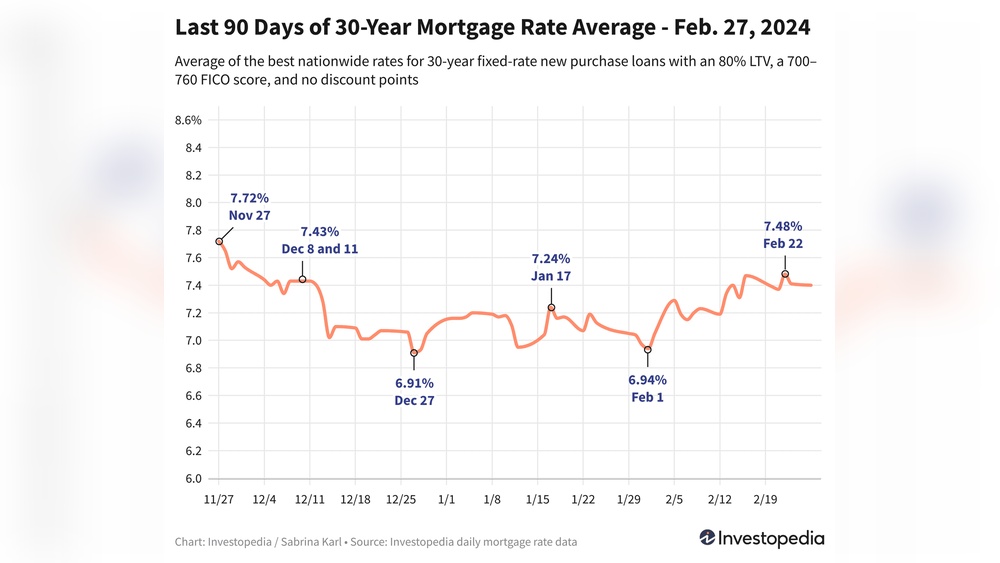
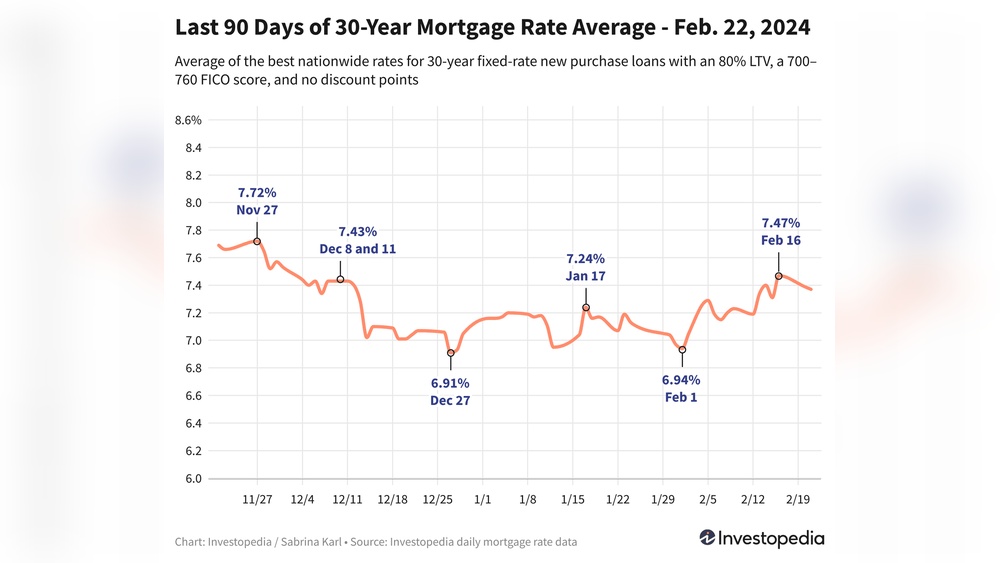
The national average refinance mortgage rate is around 6.75% for a 30-year fixed loan. Rates in Austin, Texas tend to be slightly higher or lower depending on local market conditions, often within 0.1% of the national average.
Several factors influence refinance rates. Credit score is a key factor; higher scores get better rates. The loan-to-value (LTV) ratio also matters. Lower LTV means less risk for lenders and often lower rates. Economic conditions like inflation and Federal Reserve policies affect rates too.
| Factor | Impact on Refinance Rate |
|---|---|
| Credit Score | Higher scores get lower rates |
| Loan-to-Value Ratio | Lower ratio means better rates |
| Economic Conditions | Inflation and Fed policies raise or lower rates |
| Local Market | Rates vary by city and state |
Top Lenders For Refinance
Bankrate Listings provide a clear view of current refinance mortgage rates. They compare offers from many lenders to help find the best deals. Their data updates daily to reflect real market changes.
Credit Unions with Low Rates often offer better refinance terms than big banks. Credit unions focus on members, so their rates can be lower. Examples include Navy Federal and Summit Credit Union, known for competitive refinance options.
Major Banks Offering Refinancing include Wells Fargo, U.S. Bank, and Chase. These banks provide reliable service and various loan options. Their refinance rates can be competitive, especially for borrowers with strong credit.
Types Of Refinance Loans
Fixed-Rate Refinance offers a set interest rate that stays the same. This helps with steady monthly payments. It is good for people who want predictability and long-term stability.
Adjustable-Rate Refinance starts with a low rate that can change over time. Rates may go up or down after a fixed period. This option can be cheaper at first but has more risk.
Cash-Out Refinance lets you borrow more than you owe. You get cash from your home’s equity. It is useful for paying off debt or making big purchases. Keep in mind, this increases your loan amount and monthly payments.

How To Compare Rates
Online tools and calculators help compare refinance mortgage rates quickly. They show monthly payments, total interest, and loan costs. You can enter your loan amount and term to see different scenarios.
APR means Annual Percentage Rate. It shows the true cost of the loan including fees. Lower APR means a better deal. Watch out for extra fees like closing costs or prepayment penalties.
Loan terms affect your payments and total cost. A shorter term means higher monthly payments but less interest. A longer term lowers monthly payments but costs more in interest over time. Choose the term that fits your budget and goals.
Benefits Of Refinancing Now
Lower monthly payments help reduce your financial stress. Refinancing can lower your interest rate. This means you pay less each month. Saving money monthly frees up cash for other needs.
Shorter loan terms allow you to pay off your mortgage faster. Choosing a 15-year loan instead of 30 years cuts interest costs. This helps you own your home sooner and pay less overall.
Accessing home equity lets you borrow money using your home’s value. You can use this cash for repairs, education, or emergencies. It offers a convenient way to get funds without new loans.

Steps To Secure The Lowest Rate
Improving your credit score is key to getting the lowest refinance mortgage rates. Pay bills on time and keep credit card balances low. Check your credit report for errors and fix them quickly. A higher credit score shows lenders you are a safe borrower.
Gathering financial documents helps speed up the refinance process. Collect recent pay stubs, tax returns, bank statements, and current mortgage details. Having these ready can make your application smoother and faster.
Timing your application can affect the rate you get. Interest rates may change daily. Apply when rates are low and your financial situation is strong. Avoid refinancing during busy market times to get better offers.
Common Refinance Mistakes
Ignoring closing costs can make refinancing more expensive than expected. These fees add up and may cancel out your savings. Always check the total cost before you decide.
Refinancing too often can hurt your credit score. Each application can lower your score slightly. It can also mean paying closing costs multiple times, which adds up fast.
Overlooking loan terms is another common mistake. Look closely at the length of the loan and the interest rate. Some loans have hidden fees or penalties for early payoff. Make sure the new loan fits your needs.
Market Trends And Predictions
Interest rate changes directly affect refinance mortgage rates. When rates drop, many homeowners choose to refinance. This leads to higher demand in the housing market. Lower rates make monthly payments more affordable.
Shifts in interest rates can cause housing prices to rise or fall. Buyers may act quickly to secure loans before rates increase. Sellers might adjust prices based on market activity.
Economic factors play a key role too. Inflation, employment rates, and government policies impact mortgage rates. Watching these factors helps predict future trends. For example, strong job growth may push rates higher.
Understanding these connections helps homeowners decide the best time to refinance. Keeping an eye on the economy and interest rates is important.
Frequently Asked Questions
What Is The Lowest Refinance Rate Right Now?
The lowest refinance rates currently start around 6. 5% for a 30-year fixed mortgage. Rates vary by lender and credit score. Check multiple sources like Bankrate or Navy Federal for up-to-date offers. Rates fluctuate daily, so compare before deciding.
Is There A 3% Mortgage Rate?
Yes, 3% mortgage rates exist but are rare and depend on credit score, loan type, and market conditions. Rates fluctuate often.
Is A 1% Interest Rate Worth Refinancing?
A 1% interest rate reduction can be worth refinancing if it lowers your monthly payments and covers closing costs. Calculate savings before deciding.
How To Get A 4% Interest Rate On A Mortgage?
Secure a 4% mortgage rate by maintaining a high credit score, making a sizable down payment, and shopping lenders. Consider refinancing when rates drop and lock the rate early. Compare offers from banks, credit unions, and online lenders to find the best deal.
Conclusion
Finding the lowest refinance mortgage rates can save you money each month. Comparing offers from different lenders helps you choose the best option. Even a small rate drop can lower your payments significantly. Keep an eye on market trends to act at the right time.
Refinancing can improve your financial situation if done wisely. Take your time, gather information, and make a clear decision. Your home loan should fit your budget and goals perfectly.
Read More
- Current Mortgage Interest Rates: What Homebuyers Need to Know Today
- 30 Year Fixed Mortgage Rates: What You Need to Know Now
- Buy to Let Mortgage Rates UK: Unlock Best Deals Today
- Jumbo Mortgage Rates Today: Unlock Low Rates & Save Big
- Best Refinance Lenders Online: Top Picks for Low Rates Today
- Cash Out Refinance Rates: Unlock Savings with Top Tips
- Home Refinance Savings Calculator: Maximize Your Mortgage Savings Today
- Mortgage Refinance Closing Costs: What You Need to Know Today
- Va Home Loan Interest Rates: Unlock Best Deals Today
- Fha Mortgage Loan Rates: Unlock Today’s Best Deals Now