Are you thinking about buying a home but unsure if a fixed mortgage is the right choice for you? Adjustable Rate Mortgages (ARMs) might be the option you need to explore.
With rates that can start low and adjust over time, ARMs offer flexibility that could save you money—especially if you plan to move or refinance within a few years. But how do these loans really work, and what should you watch out for?
You’ll discover the key features of adjustable rate mortgage options, how they compare to fixed-rate loans, and what protections are in place to keep your payments manageable. By the end, you’ll have a clearer picture to decide if an ARM fits your financial goals. Let’s dive in!
Adjustable Rate Mortgage Basics
An Adjustable Rate Mortgage (ARM) has an interest rate that changes over time. The rate starts low for a set number of years called the initial rate period. After this, the rate adjusts regularly based on a set formula. This formula combines a margin and an index, which reflects market conditions.
Common ARM terms include:
- Initial Rate Period: Time when the rate is fixed.
- Adjustment Interval: How often the rate changes after the initial period.
- Margin: A fixed percentage added to the index.
- Index: A market rate that changes over time.
- Caps: Limits on how much rates can rise or fall.
The initial rate period usually lasts 3, 5, 7, or 10 years. After this, the rate adjusts annually or semi-annually. Each adjustment depends on the current index plus the margin, but caps keep the rate from changing too much at once or over the loan’s life.
Types Of Adjustable Rate Mortgages
Hybrid ARMs offer a fixed interest rate for a set time, usually 3, 5, 7, or 10 years. After this period, the rate changes annually based on market indexes. This option suits buyers wanting lower initial payments and some rate stability.
Interest-Only ARMs allow borrowers to pay only interest for a few years, typically 5 to 10. Monthly payments start low but jump when principal payments begin. It is useful for buyers who expect higher income later or plan to sell before the principal payments start.
Payment-Option ARMs provide several monthly payment choices, such as minimum payment, interest-only, or full principal and interest. The minimum payment can cause negative amortization, increasing loan balance. This type offers flexibility but requires careful budgeting.
Rate Adjustment Mechanics
The index is a benchmark interest rate used to calculate ARM rates. Common indexes include the LIBOR, Treasury rates, and the SOFR. The margin is a fixed percentage added to the index to set your mortgage rate. For example, if the index is 3% and the margin is 2%, your rate will be 5%. The margin never changes, but the index can move up or down.
Adjustment frequency shows how often your rate can change. It might be yearly, every six months, or another set period. More frequent adjustments can mean more rate changes, which could affect your monthly payment.
| Rate Cap Type | Description |
|---|---|
| Initial Cap | Limits the first rate increase after the fixed period. |
| Periodic Cap | Limits rate changes during each adjustment period. |
| Lifetime Cap | Sets the highest rate you will ever pay on the loan. |
Benefits Of Arms
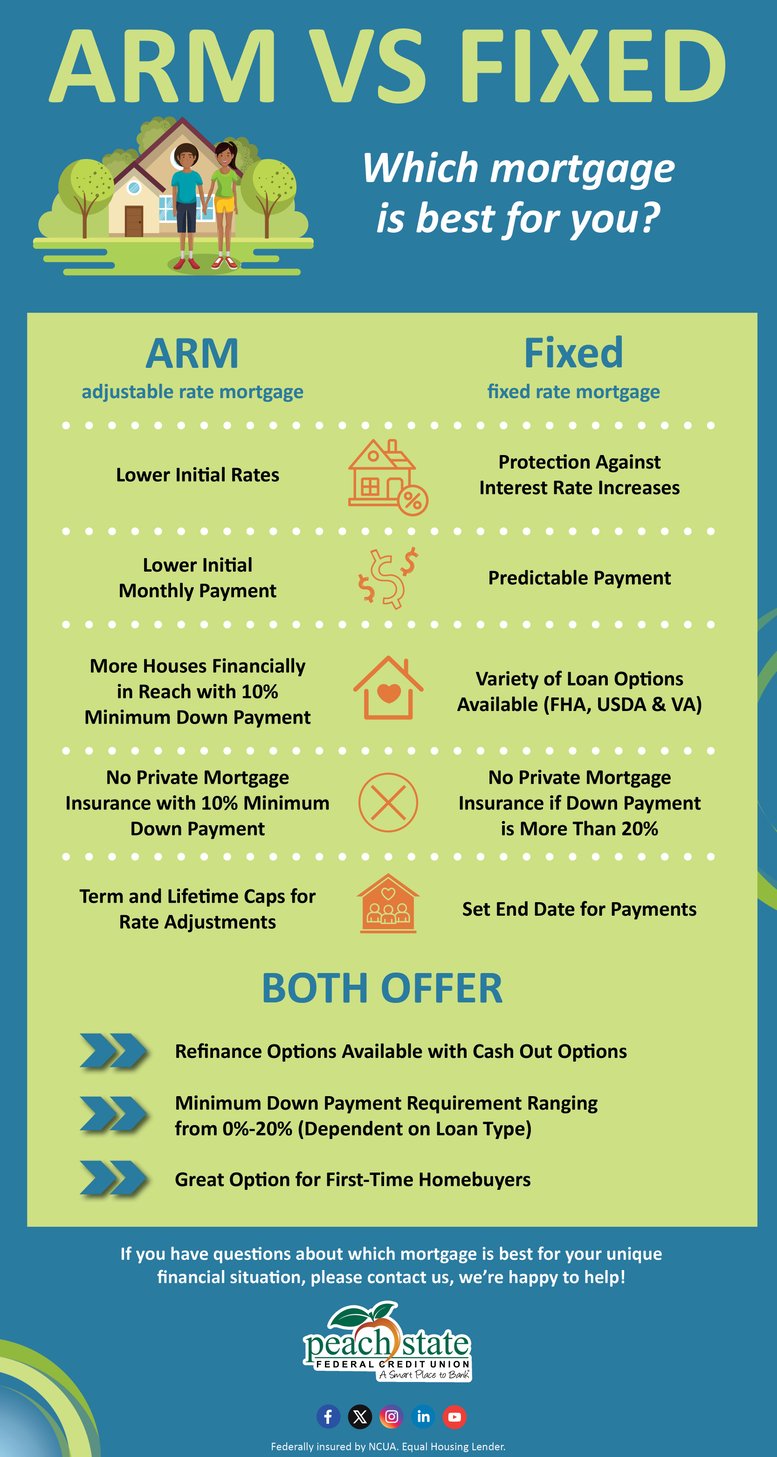
Lower initial payments make ARMs attractive to many borrowers. These payments are often less than fixed-rate mortgages, easing monthly budgets early on. This can help buyers afford a better home or save money in the short term.
Potential savings over time depend on interest rate changes. If rates stay low or drop, borrowers can save thousands of dollars compared to fixed rates. This can make a big difference in overall loan cost.
ARMs offer flexibility for short-term ownership. They work well for those who plan to sell or refinance before rates adjust. This reduces risk of higher payments later.
Risks And Drawbacks
Payment increases can surprise borrowers with higher monthly bills. Rates may rise after the initial fixed period, causing payments to jump. This can strain budgets and make it hard to keep up with costs.
Uncertainty in budgeting is a major issue. Monthly payments may change often, making financial planning tough. Homeowners may struggle to predict their expenses, leading to stress and difficulty managing money.
Impact on home equity can be negative if payments rise and homeowners miss payments. Less equity builds if more money goes to interest instead of principal. This reduces the home’s value as an asset and can limit refinancing options.
Arm Protections And Safeguards
Initial adjustment caps limit how much the interest rate can rise at the first change. This helps protect borrowers from sudden, large increases right after the fixed period ends.
Periodic caps control the maximum rate change allowed at each adjustment after the initial one. This means your rate can only go up or down by a certain amount each time it adjusts.
Lifetime caps set the highest and lowest interest rates you will ever pay over the life of the loan. This prevents rates from rising too high or falling too low, offering long-term protection.
| Cap Type | Purpose | Example |
|---|---|---|
| Initial Adjustment Cap | Limits rate increase at first adjustment | Max 2% increase after fixed period |
| Periodic Cap | Limits rate change at each adjustment | Max 1% increase per year |
| Lifetime Cap | Sets max and min rate over loan life | Max rate 8%, min rate 3% |
Choosing The Right Arm Option
Assessing your financial goals helps decide which ARM suits you best. If you plan to move or refinance in a few years, an ARM may save money with lower initial rates. For those staying long-term, a fixed-rate mortgage offers stable payments and peace of mind.
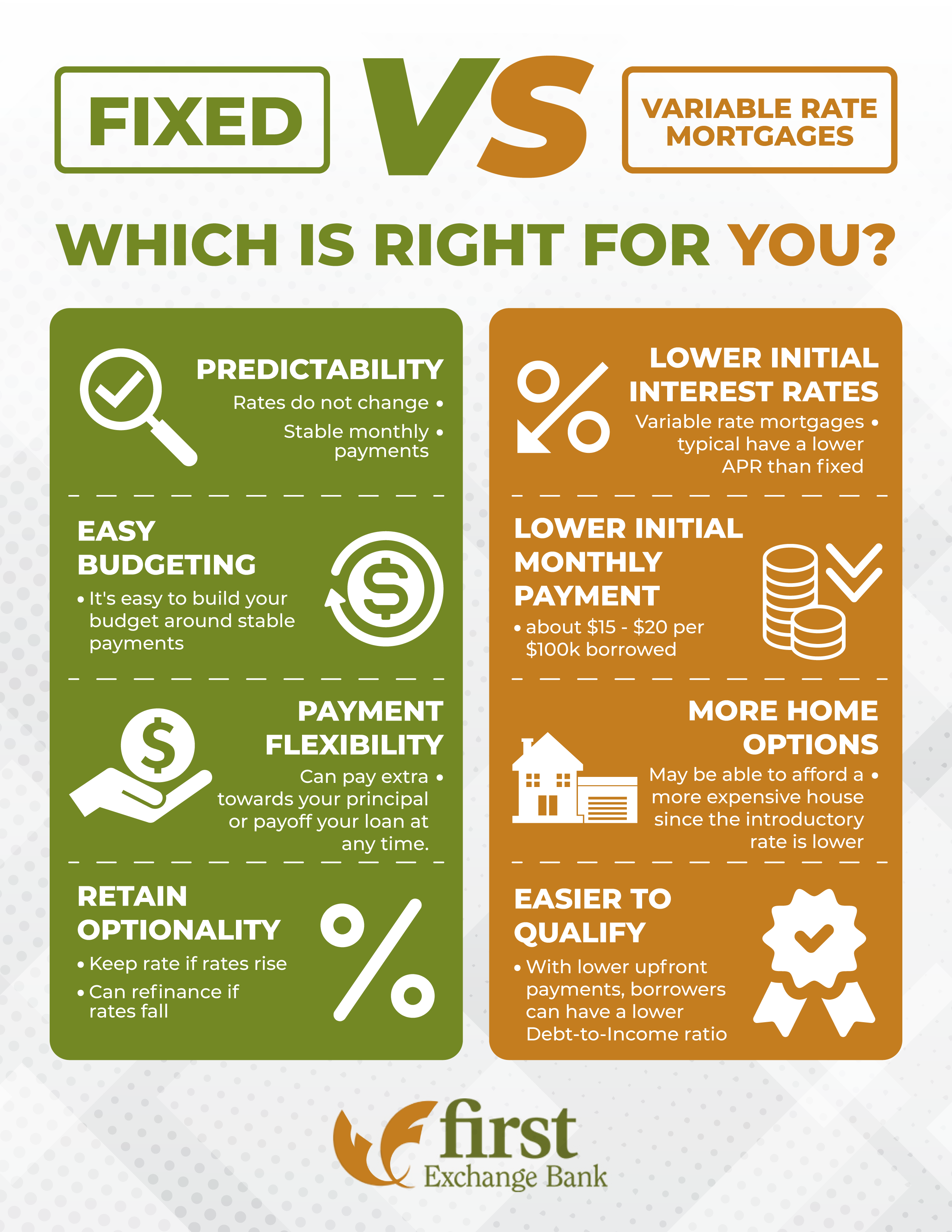
Comparing fixed vs adjustable rates is key. Fixed rates stay the same for the loan’s life, offering predictability. Adjustable rates start low but can rise or fall, causing payment changes. Consider your comfort with possible payment increases before choosing.
Mortgage calculators are useful tools. They show estimated monthly payments under various interest rates. You can compare costs between fixed and ARM options. This helps understand potential future payments and plan your budget wisely.

Arm Trends In Austin, Texas
Current market rates for adjustable rate mortgages (ARMs) in Austin, Texas, have seen slight increases recently. Rates often start lower than fixed mortgages but can rise over time. Many lenders offer ARMs with initial fixed periods of 3, 5, or 7 years. After this, the rate adjusts every 6 or 12 months based on market indexes.
Local lending practices in Austin favor ARMs because of the city’s dynamic housing market. Lenders often include caps to limit how much rates can rise, protecting borrowers from sudden spikes. Borrowers must understand terms like the initial cap, periodic cap, and lifetime cap to avoid surprises.
- Homebuyer preferences lean toward ARMs for lower initial payments.
- Many buyers plan to sell or refinance before rates adjust upward.
- First-time buyers often choose ARMs to afford homes in Austin’s competitive market.
Applying For An Arm
Qualifying for an ARM involves meeting specific financial criteria. Lenders look at your credit score, income, and debt-to-income ratio. A good credit score helps secure better rates. Stable income proves you can make payments on time. Low debt-to-income ratio shows you can handle new debt.
Documentation needed includes pay stubs, tax returns, bank statements, and identification. These documents verify your financial status and employment. Lenders use this information to assess risk and decide loan terms.
Working with lenders means comparing offers. Ask about interest rates, adjustment caps, and payment options. Clear communication helps avoid surprises later. Choosing a lender who explains terms simply benefits you in the long run.
Refinancing Adjustable Rate Mortgages
Refinancing an adjustable rate mortgage can lower monthly payments or secure a fixed rate. Consider refinancing when your current rate rises above market rates or your financial situation improves. It helps avoid payment shocks when the adjustable period ends.
Costs include application fees, closing costs, and possible prepayment penalties. Benefits are lower interest rates, stable payments, or better loan terms. Compare these carefully before deciding.
Steps to refinance:
- Check your credit score and financial health.
- Shop around for the best refinance rates.
- Gather documents like income proof and loan details.
- Apply for refinancing with the chosen lender.
- Review and sign the new loan agreement.
- Close the loan and start new payments.
Frequently Asked Questions
What Are The 4 Types Of Adjustable-rate Mortgage Caps?
The 4 types of adjustable-rate mortgage caps are: initial cap, periodic cap, lifetime cap, and payment cap. They limit rate increases at different stages.
What Is The 3 7 3 Rule In Mortgage?
The 3-7-3 rule in mortgage means a fixed interest rate for 3 years, adjusts every 7 years, with a 3% cap on rate increases.
Will We Ever See A 3% Mortgage Rate Again?
Mortgage rates near 3% are unlikely soon due to rising inflation and Federal Reserve policies. Rates depend on economic conditions and may fluctuate.
What Is The Main Downside Of An Adjustable-rate Mortgage?
The main downside of an adjustable-rate mortgage is that interest rates can increase, causing higher monthly payments. This unpredictability may strain your budget over time.
Conclusion
Adjustable rate mortgages offer flexibility with changing interest rates. They start with lower payments than fixed loans. Payments can rise after the initial period ends. Caps protect you from extreme rate increases. Choosing an ARM depends on your future plans.
Consider how long you will keep the home. Understand all terms before signing any agreement. This knowledge helps you make smarter mortgage choices.
Read More
- Current Mortgage Interest Rates: What Homebuyers Need to Know Today
- 30 Year Fixed Mortgage Rates: What You Need to Know Now
- Buy to Let Mortgage Rates UK: Unlock Best Deals Today
- Jumbo Mortgage Rates Today: Unlock Low Rates & Save Big
- Lowest Refinance Mortgage Rates: Unlock Big Savings Today!
- Best Refinance Lenders Online: Top Picks for Low Rates Today
- Cash Out Refinance Rates: Unlock Savings with Top Tips
- Home Refinance Savings Calculator: Maximize Your Mortgage Savings Today
- Mortgage Refinance Closing Costs: What You Need to Know Today
- Va Home Loan Interest Rates: Unlock Best Deals Today